Einleitung: Ein Einwellenzerkleinerer übernimmt üblicherweise die Grobzerkleinerung, während ein Kunststoffgranulator feineres Material für die nächste Recyclingstufe erzeugt.
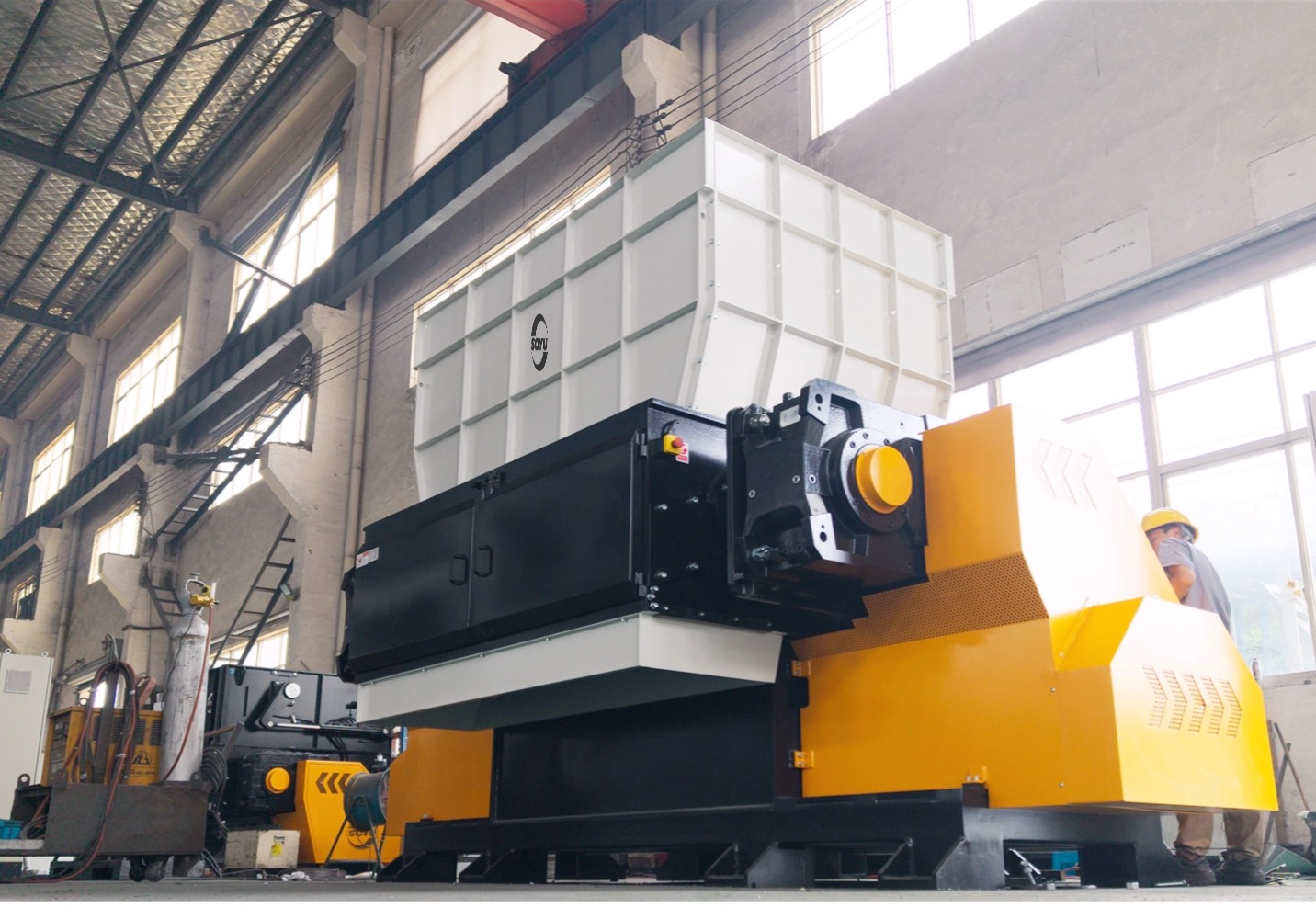
Beim Vergleich eines Einwellen-Shredders mit einem Kunststoffgranulator konzentrieren sich viele auf die Schneidmesser, die Rotorkonstruktion oder die Markennamen. Die wichtigere Frage ist jedoch einfacher: Welche Größe hat der Kunststoff aktuell und welche Größe muss er erreichen? Große Kunststoffklumpen, sperrige Folienbündel und ganze PET-Behälter stellen andere Anforderungen an die Verarbeitung als kleinere Stücke, die zum Waschen, Sortieren oder Extrudieren bereit sind. In einer typischen Kunststoffrecyclinganlage können diese Maschinen an verschiedenen Stellen unterschiedliche Aufgaben übernehmen. Der Shredder zerkleinert sperriges Material auf eine handliche Größe. Der Granulator zerkleinert dieses Material dann in kleinere, gleichmäßigere Stücke, wenn für den nachfolgenden Prozess feineres Ausgangsmaterial benötigt wird. Dieses Verständnis erleichtert das Lesen von Gerätebeschreibungen und erklärt, warum die eine Maschine die andere nicht automatisch ersetzen kann.
Kunststoffrecycling ist in der Regel kein Ein-Maschinen-Verfahren. Das Material kommt mit unterschiedlichen Formen, Größen, Dicken, Feuchtigkeitsgehalten, Etiketten und Verunreinigungen an. Ein starrer Kunststoffklumpen lässt sich unter Umständen nur schwer in eine Feinzerkleinerungsmaschine einführen, während sich eine dünne Folie anders verhält als ein dickes Formteil. Die Zerkleinerung erfolgt daher stufenweise, wobei jede Stufe das Material für die nächste vorbereitet. Das erste Ziel ist oft die Volumenreduzierung. Ein großes Objekt benötigt mehr Platz, ist schwieriger zu transportieren und kann die Zufuhr zur nächsten Maschine behindern. An dieser Stelle wird häufig ein Einwellen-Shredder eingesetzt, da er als Grobzerkleinerungsmaschine dient. Seine Aufgabe ist es, sperrige Kunststoffteile in Stücke zu zerkleinern, die sich gleichmäßiger über Förderbänder transportieren und in nachfolgende Anlagen einfließen lassen. Das Ergebnis ist oft eine handliche Korngröße von einigen Dutzend Millimetern anstelle eines fertigen Recyclinggranulats. Das zweite Ziel ist die Feinzerkleinerung. Sobald der Kunststoff zerkleinert ist, kann ein Kunststoffgranulator ihn in kleinere Flocken oder Stücke schneiden, die sich zum Waschen, Trennen, Trocknen, Compoundieren oder für einen anderen nachfolgenden Verarbeitungsschritt eignen. Das genaue Ziel hängt vom Material und der Anlagenkonstruktion ab. Ein Granulator wird daher mit einer feineren Zerkleinerungsstufe in Verbindung gebracht, doch seine Zuführung und sein Ausstoß hängen weiterhin von seiner Konfiguration und Anwendung ab. Dieser stufenweise Ansatz erklärt auch ein häufiges praktisches Problem: Wird ein großes Kunststoffteil direkt in eine Anlage zur feineren Zerkleinerung gegeben, kann die Zuführung schwierig werden, und die Maschine muss unter Umständen mehr Energie für die Formgebung des Objekts aufwenden, als einen gleichmäßig kleineren Ausstoß zu produzieren. Die Grobzerkleinerung im Vorfeld schafft für die spätere Granulierungsstufe geeignetere Zuführungsbedingungen. Die Europäische Kommission stellt das Kunststoffrecycling als Teil eines umfassenderen Kreislaufwirtschaftssystems dar, in dem Sammlung, Sortierung, Behandlung und Wiederverwendung Hand in Hand gehen müssen. Petcore Europe beschreibt im PET-Recycling eine Kette, in der Flaschen zu Material verarbeitet werden, das in der Produktion wiederverwendet werden kann. Die Zerkleinerung unterstützt diese Kette, indem sie den Kunststoff leichter transportierbar, reinigbar, trennbar und verarbeitbar macht.
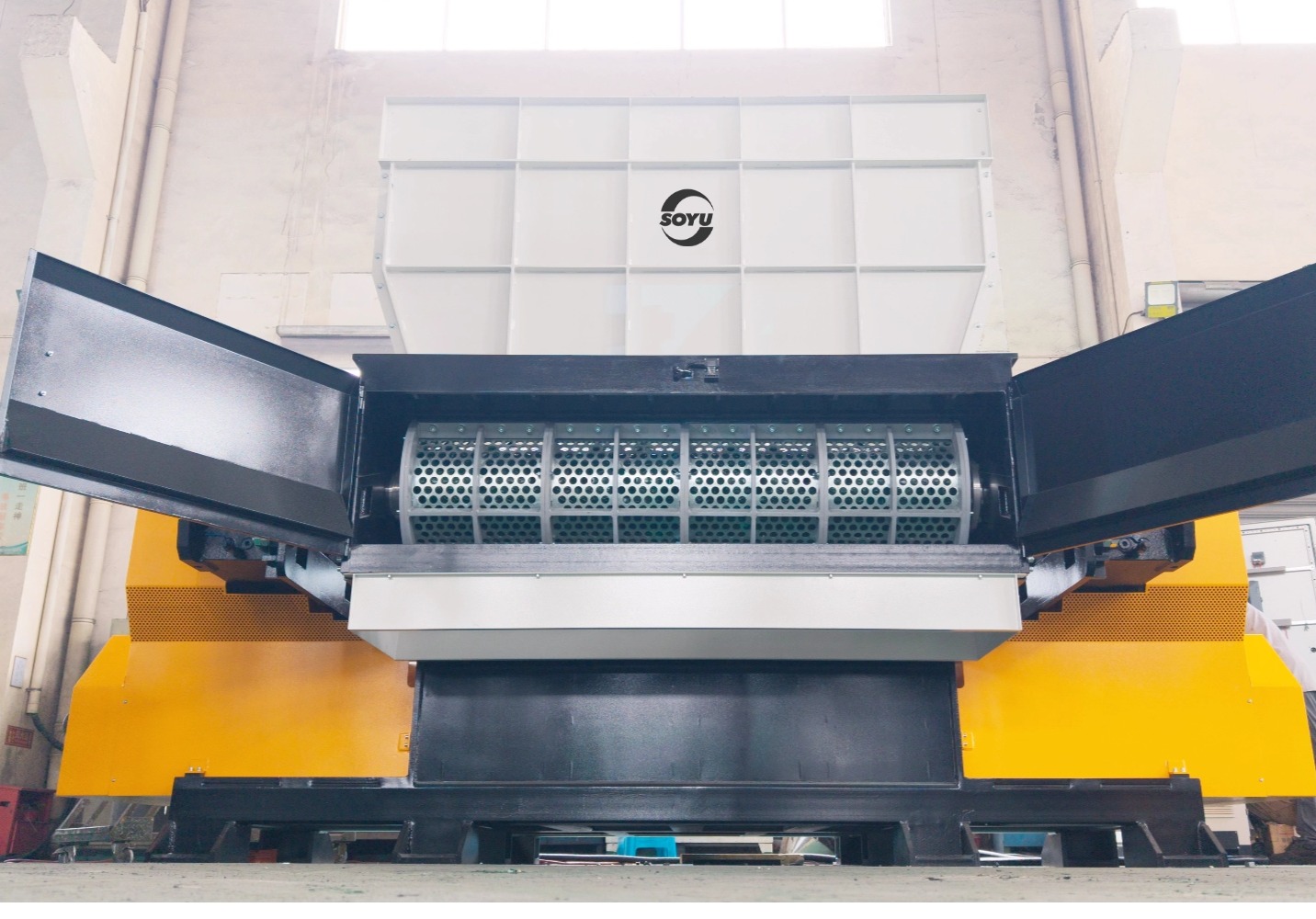
Der deutlichste Unterschied liegt in der Prozessrolle. Ein Einwellenzerkleinerer verarbeitet üblicherweise sperriges oder unregelmäßiges Aufgabematerial und zerkleinert es auf eine grobe, förderfähige Größe. Ein Kunststoffgranulator hingegen erhält in der Regel bereits handlicheres Material und erzeugt einen feineren, gleichmäßigeren Zerkleinerungsprozess. Die Abgrenzung ist eher praktischer Natur als absolut: Manche Produktionslinien verwenden nur eine Maschine, während anspruchsvolle Anlagen beide einsetzen.
Die interne Anordnung jeder Maschine unterstützt diese Aufteilung. Ein Einwellen-Shredder kann beispielsweise einen hydraulischen Schieber umfassen, der schwer zerkleinerbares Material zum Rotor befördert. Die SR900-Serie dient als Beispiel mit einer Einwelle, V-förmiger Rotoranordnung, Doppelmessern, hydraulischer Zuführung und siebgesteuertem Auswurf. Dies sind Details zur Produktkonfiguration eines Herstellers, während die allgemeine Prozessunterscheidung für gängige Recyclinganlagen gilt. Ein Granulator konzentriert sich direkter auf das wiederholte Zerkleinern in kleinere Stücke. Kammer, Messerspalt, Rotordrehzahl, Sieböffnung und Zuführungssystem beeinflussen die entstehenden Flocken. Durch das Feinzerkleinern wird das Material auch für nachfolgende Wasch- und Trennschritte besser zugänglich, da kleinere Stücke mehr bearbeitbare Oberflächen bieten und weniger Volumen einnehmen. Die richtige Konfiguration hängt von der Kunststoffart, der Verunreinigung, dem Zielausstoß und dem nachfolgenden Prozess ab. Daher sollte die Ausgabegröße als Prozessanforderung verstanden werden. Ein 40–100 mm großes Shreddergut kann nützlich sein, wenn die nächste Maschine ein stabiles Grobgut benötigt, ist aber nicht automatisch die Endgröße für Waschen, Extrudieren oder die Pelletierung. Umgekehrt kann das Ergebnis eines Feingranulators für die Weiterverarbeitung nützlich sein, ist aber möglicherweise ein ineffizienter erster Schritt für große und unhandliche Kunststoffrohstoffe.
Die Frage „Welche Maschine ist besser?“ verschleiert die eigentliche technische Frage. Ein aussagekräftigerer Vergleich beginnt mit dem Material am Aufstellungsort der Maschine. Besteht das Aufgabematerial aus großen Kunststoffblöcken oder sperrigen Teilen, ist die kontrollierte Zerkleinerung und der erleichterte Transport die erste Anforderung. Ist das Aufgabematerial bereits klein genug für eine Feinschneidekammer, kann die Anlage direkt mit der Granulierung beginnen. Die nächste Frage ist, was unmittelbar nach der Maschine geschieht. Das Material eines Grobzerkleinerers kann einem Förderband, einer Metallprüfstelle, einer Sortieranlage, einem Waschsystem oder einem Granulator zugeführt werden. Das Granulierprodukt kann zur Reinigung, Trocknung, Dichtetrennung, Extrusion oder einem anderen Feinverarbeitungsschritt weitergeleitet werden. Der Wert der Maschine liegt darin, wie gut ihr Ergebnis den nachfolgenden Verarbeitungsschritt vorbereitet. Das Materialverhalten ist ebenso wichtig wie die Nenngröße. Harte Kunststoffe, flexible Folien, dicke Formteile und gemischte Kunststoffabfälle werden nicht auf exakt dieselbe Weise zugeführt oder zerkleinert. Eine Anlage zur Verarbeitung von PET-Flaschen kann eine Grobzerkleinerung einsetzen, um den Transport ganzer Flaschen vor der Feinverarbeitung zu erleichtern. Eine Anlage zur Verarbeitung von Kunststofffolien benötigt möglicherweise eine angepasste Zuführung und Schneidanordnung, da sich die Folie während der Verarbeitung falten, verdrehen oder ihre Form verändern kann. Viele Recyclinganlagen setzen daher beide Maschinen nacheinander ein. Der Einwellen-Shredder übernimmt die Zerkleinerung grober Partikel. Der Kunststoffgranulator verarbeitet anschließend kleinere und gleichmäßigere Materialmengen. Diese Anordnung teilt die Arbeit nach Partikelgröße und Materialbeschaffenheit auf und sorgt dafür, dass jede Stufe einen klar definierten Zweck erfüllt. Dadurch wird die Anlage auch verständlicher: Die Vorzerkleinerung bereitet das Material vor, während die spätere Granulierung es auf die für den Recyclingprozess benötigte Größe bringt. Eine hilfreiche Methode zum Verständnis von Gerätebeschreibungen besteht darin, drei Punkte miteinander zu verknüpfen: Eingangsmaterial, Maschinenleistung und den nächsten Arbeitsgang. Beispielsweise beschreibt ein Hersteller der SR900-Serie mit siebgesteuertem Auswurf die Grobausstufe. Der Leser kann sich dann fragen, ob diese Leistung den Anforderungen der nächsten Maschine entspricht, anstatt den Shredder direkt mit einem Granulator zu vergleichen, als ob beide die gleiche Aufgabe erfüllten. Die Klassifizierung von Industrieshreddern von Granutech bietet nützliche Hintergrundinformationen zum Shreddern als einer breiten Gerätegruppe, die zur Zerkleinerung von Industriematerialien eingesetzt wird. In einer Kunststoffverarbeitungsanlage ergibt sich die praktische Aufteilung jedoch weiterhin aus dem Materialfluss. Der Schredder bewältigt die Herausforderung der ersten Zerkleinerungsphase, und der Granulator übernimmt die feinere Zerkleinerung, wenn der Prozess dies erfordert.
In vielen Kunststoffrecyclinganlagen dienen ein Einwellen-Shredder und ein Kunststoffgranulator unterschiedlichen Zerkleinerungsstufen. Der Shredder zerkleinert üblicherweise sperrige, unregelmäßige Kunststoffteile auf eine grobe, förderfähige Größe. Der Granulator produziert anschließend feinere Partikel für Waschen, Sortieren, Extrudieren oder andere Weiterverarbeitungsschritte. Keine der beiden Maschinen ist in jeder Situation optimal, da sie unterschiedliche Verarbeitungsprobleme lösen. Bei der Analyse einer Anlage sollte man mit der Aufgabegröße, dem Zielausstoß und dem nächsten Verarbeitungsschritt beginnen. Diese Prozessbetrachtung erklärt, warum viele Systeme beide Maschinen einsetzen, und erleichtert das Verständnis von Produktspezifikationen wie z. B. der siebgesteuerten Austragssteuerung.
A: Ein Einwellen-Shredder zerkleinert üblicherweise sperrige oder unregelmäßige Kunststoffe grob, während ein Kunststoffgranulator bereits handlicheres Material feiner zerkleinert. Der Shredder bereitet ein förderfähiges Aufgabematerial auf, und der Granulator produziert kleinere Flocken oder Stücke für spätere Recyclingprozesse.
A: Ein Granulator kann nur dann ersetzt werden, wenn die Anlage grob zerkleinertes Material benötigt und nicht das feinere Ergebnis, das normalerweise durch Granulierung erzielt wird. Wenn für Waschen, Trennen, Extrudieren oder andere nachgelagerte Prozesse kleinere und gleichmäßigere Kunststoffteile benötigt werden, bleibt ein Granulator ein separater Verarbeitungsschritt.
A: Für die Feinzerkleinerung wird üblicherweise ein Granulator benötigt. Dieser folgt in der Regel auf das Vorzerkleinern und bereitet den Kunststoff für Waschen, Sortieren, Trocknen, Extrudieren oder Compoundieren vor. Die genauen Anforderungen hängen vom Material und der gewünschten Partikelgröße ab. Daher wird der Granulator im Hinblick auf den nachfolgenden Prozess ausgewählt und nicht einfach deshalb eingesetzt, weil er später im Prozess zum Einsatz kommt.
Kunststoffe – Umwelt – Europäische Kommission
Industrielle Zerkleinerungsmaschinen und -anlagen | Granutech-Saturn-Systeme


